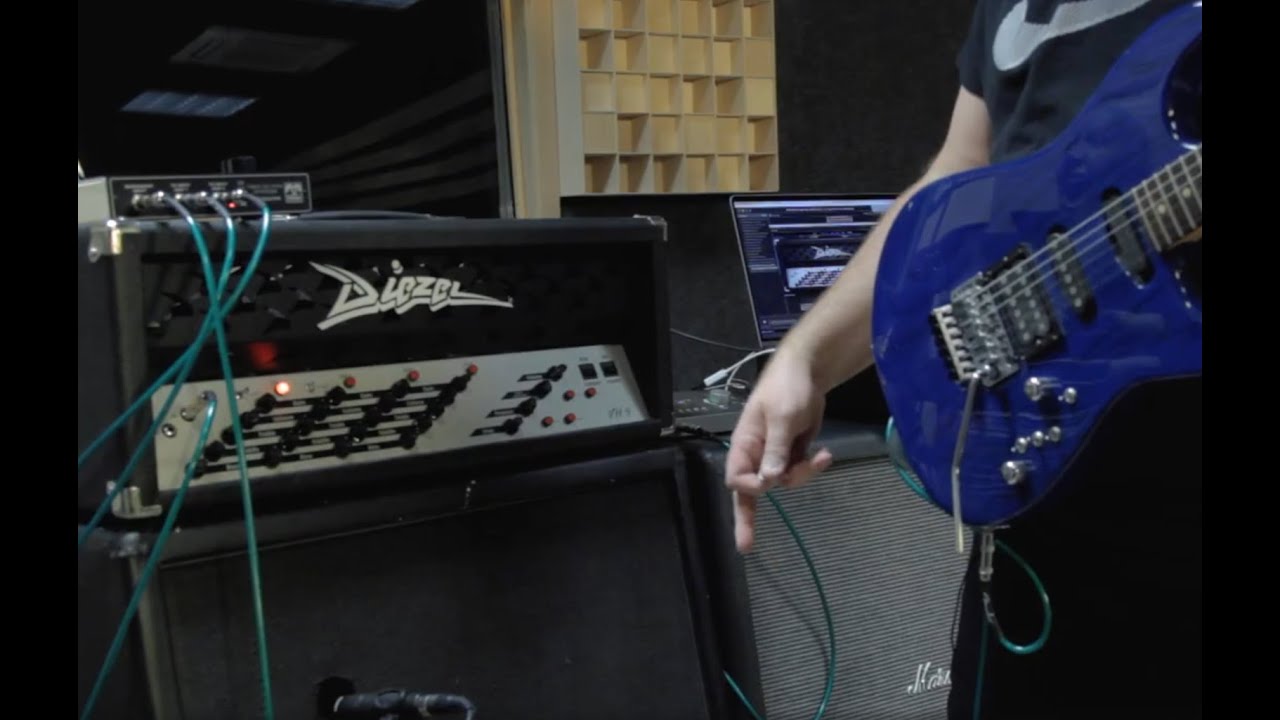
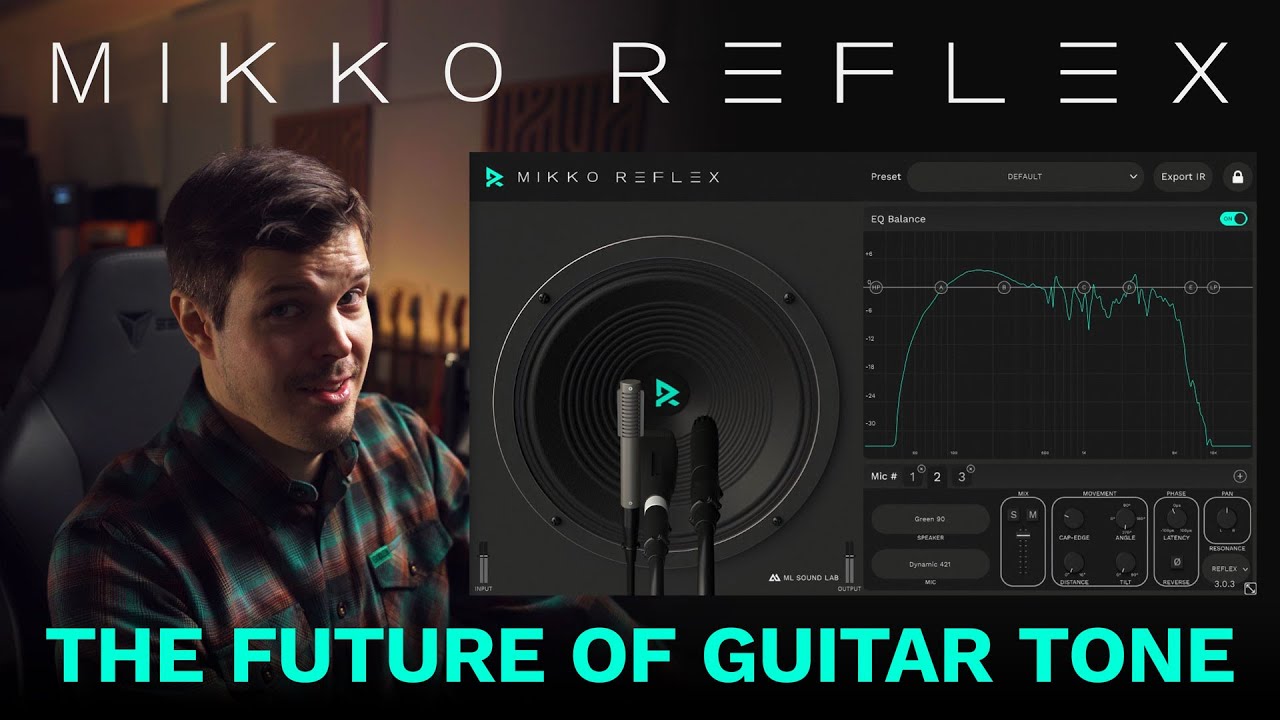
I agree with that 100%.
Switching to all digital and silent stage was the best thing we did for our audience, and that’s what should matter. And unless playing stadiums, there’s rarely a place for a loud amp.
But it can feel awkward and “wrong” to some people, which throws them off. And even when they get used to it, the sound searching never ends.
However, most amp sims are in fact bad, and it’s very logical that they are. It’s hard to model tube amp well, and it’s also computationally intensive. Most amp sims take shortcuts either in research - the models are oversimplified, or in oversampling - you get a lot of aliasing, or go the simplified way of “profiling” like Kemper/NDSP/tonex - you get a narrow range of settings where they work relatively well, but deviate from that and it’s getting increasingly off target.
Plus their main audience is the bedroom guitarist playing through headphones, so first and foremost they make their plugins sound well in those conditions, to impress the suckers during the trial period.
Even understanding what makes amp sound what it is takes a lot of research. Some of it is available in science papers, but most you need to figure out on your own, and it’s tricky - distorted guitar is essentially a lot of wideband noise, which is then filtered by the cab and then filtered again in the mix, and what’s left should sound well. The first temptation is to disregard what’s being filtered out, but you lose something when you do it this way, those filters aren’t brickwalls. And of course real amps that you model are tricky as well - they are very imperfect, real component parameters deviate from their nominal values etc etc.
Who even has the budget for all this, where’s the ROI? The market is very small, the pains you need to go through are great. More recently everyone seems to go the profiling/ML route, of course, which is cheaper and doesn’t need rare talent, data scientists are a dime a dozen now, unlike people who can model the physical process well. But then you get very rough approximations with some settings, and a lot of these models are way off in a lot of circumstances - after all, you can’t practically measure an infinite number of combinations of all knobs and switches to get to the proper non linear transfer function in all conditions. I still haven’t seen any profiler where master volume would work as it should - be transparent at lower settings, and bring in that sweet power amp compression/slight saturation at higher ones, without going too far, EQ knobs seem to be “regular” EQs without the sometimes weird effects they have in real amps etc.

 What does it even mean? There’s not much “dynamic” about the cabinet unless you drive the speaker to the limit and it starts to compress and distort, which isn’t an awfully pleasant type of saturation anyway. There’s the resonance of the speaker and reaction of the amp to the speaker impedance curve (since a tube amp has high output impedance, you get considerable feedback effects, which also depend on the amp’s negative feedback circuit, how it’s implemented and whether it exists at all in an amp/channel - Rectifier Red Modern channel doesn’t have it, AFAIR, so you get that signature bassy/fizzy sound as a result). But it’s not an EQ, not a compressor, you can’t emulate this behavior outside of the amp model, you need to account for specific amp-cab combination to make it work (which Axe-FX does, by the way, and it just won’t happen if you use two separate plugins for the amp and the cab). And there’s saturation from the mic-preamp circuit, which is indeed non-linear, but I never found it important enough to care (and Axe-FX also models that).
 ). So NAM by itself is free, great, but I can’t use it by itself.