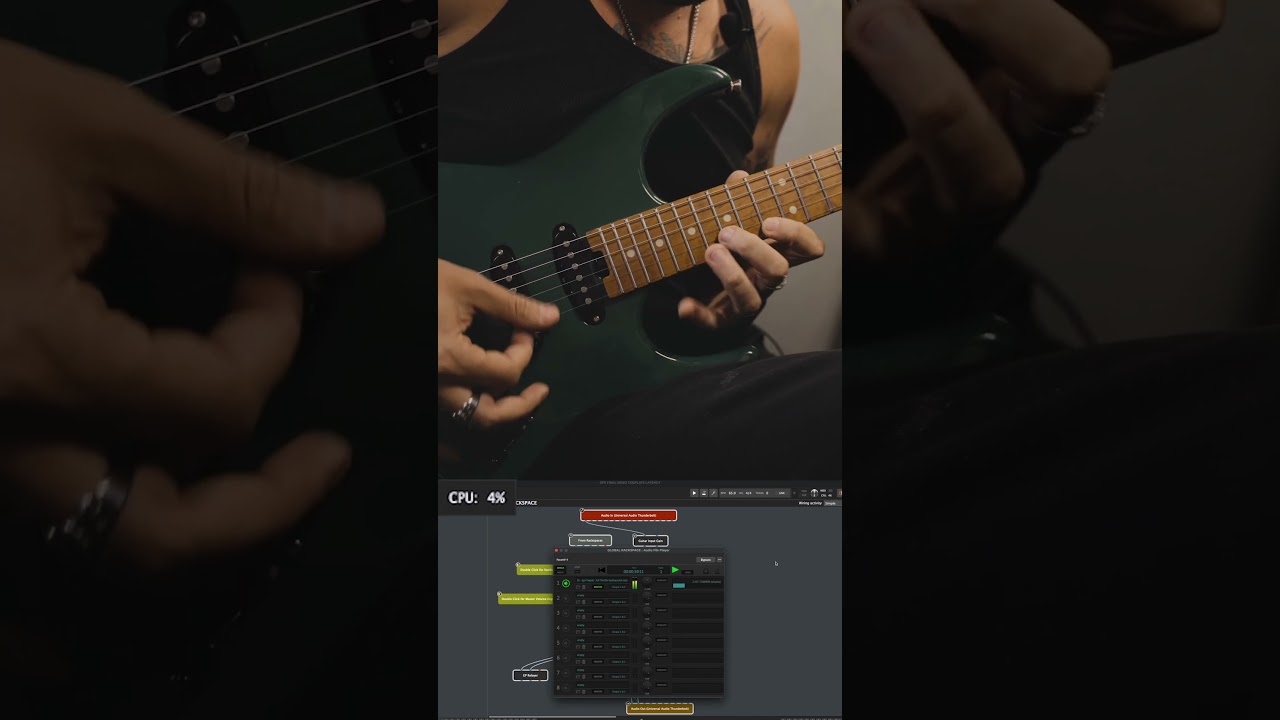
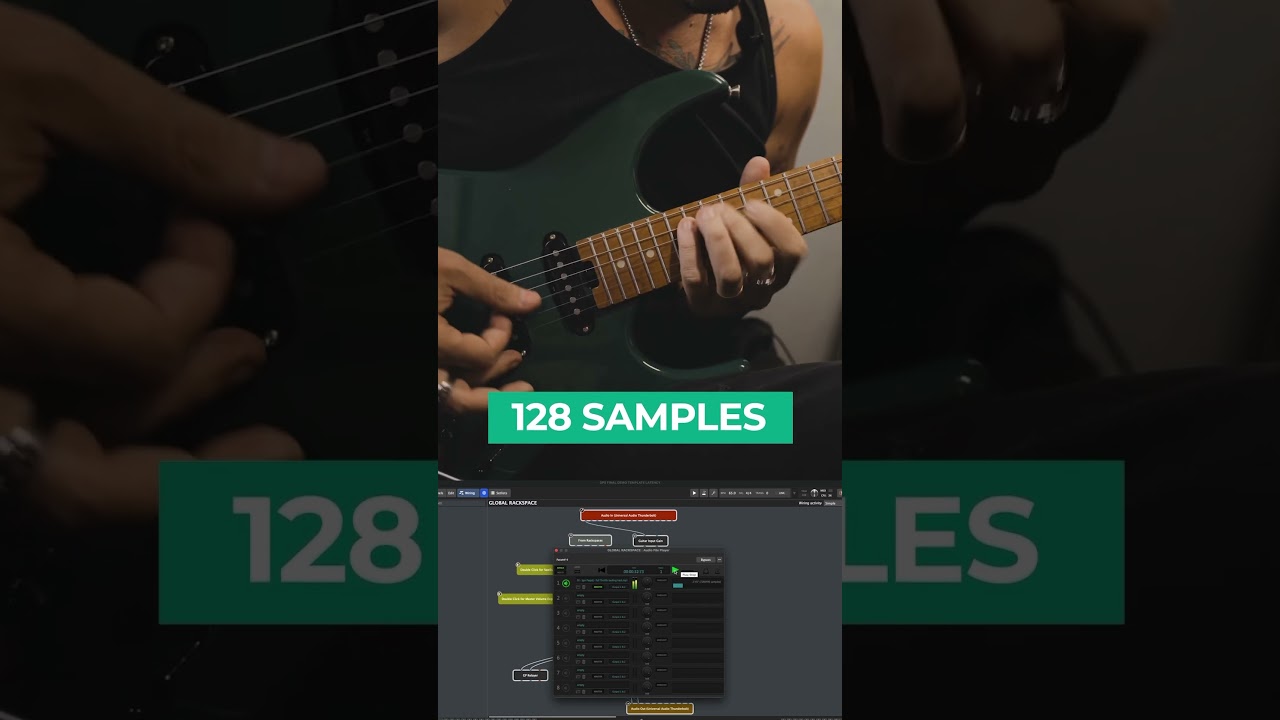
In this video, professional guitarist Igor Paspalj explains latency and why digital music tools and computer-based rigs are no longer hindered by latency concerns.
He demonstrates that with modern software like Gig Performer and a decent audio interface, musicians can achieve imperceptible, ultra-low latency, making digital setups a reliable alternative to traditional tube amplifiers.
Key Takeaways:
-
Understanding Latency: Igor defines latency as the delay between sound generation and perception. He explains that even traditional tube amps have physical latency based on the distance from the speaker (3:05 - 4:42).
-
Acceptable Thresholds: He notes that for his professional work, anything below 8 milliseconds is perfect, while 8-12ms is acceptable. Anything above 15ms becomes noticeable and uncomfortable (4:43 - 5:20).
-
Real-World Demonstration: Using Gig Performer, Igor demonstrates how adjusting the buffer size (from 32 to 512 samples) changes the round-trip latency. He shows that a 32-sample buffer provides roughly 3.6ms of latency, which is virtually undetectable (6:49 - 15:53).
-
Seamless Preset Switching: He highlights Gig Performer’s ability to switch between complex sounds and rack spaces without gaps, pops, or audio dropouts (17:38 - 18:50).
-
Automation Features: Igor demonstrates how to use the Streaming Audio File Player to trigger automatic preset switches via markers, allowing solo performers to focus entirely on playing rather than manual pedal switching (19:13 - 23:36).
–
For Igor Paspalj, Gig Performer is a game-changer primarily because it removes the technical anxiety surrounding digital performance and simplifies the life of a solo performer. Here is why it stands out:
-
Zero-Latency Feel: Igor demonstrates that by using Gig Performer with a proper buffer setup, he can achieve round-trip latency of around 3.6ms (6:49). This makes digital rigs feel just as responsive as traditional tube amplifiers, removing the main barrier for skeptics.
-
Seamless Sound Switching: Unlike some hardware processors that introduce small gaps or pops when switching between patches, Gig Performer allows for instant, silent transitions between complex sounds or rackspaces (17:38 - 18:50).
-
Built-in Automation: The Streaming Audio File Player is a massive advantage for solo musicians. By using markers (19:13), Igor can program automatic preset changes directly into his backing tracks. This eliminates the need for external MIDI controllers or manual foot-switching, allowing him to focus entirely on his guitar playing rather than managing gear (23:06 - 23:36).
-
Reliability and Flexibility: Whether performing in the studio or on the road with different hardware interfaces, he finds the software to be stable and versatile, proving that professional sound quality is achievable even on modest computer setups (17:15).